
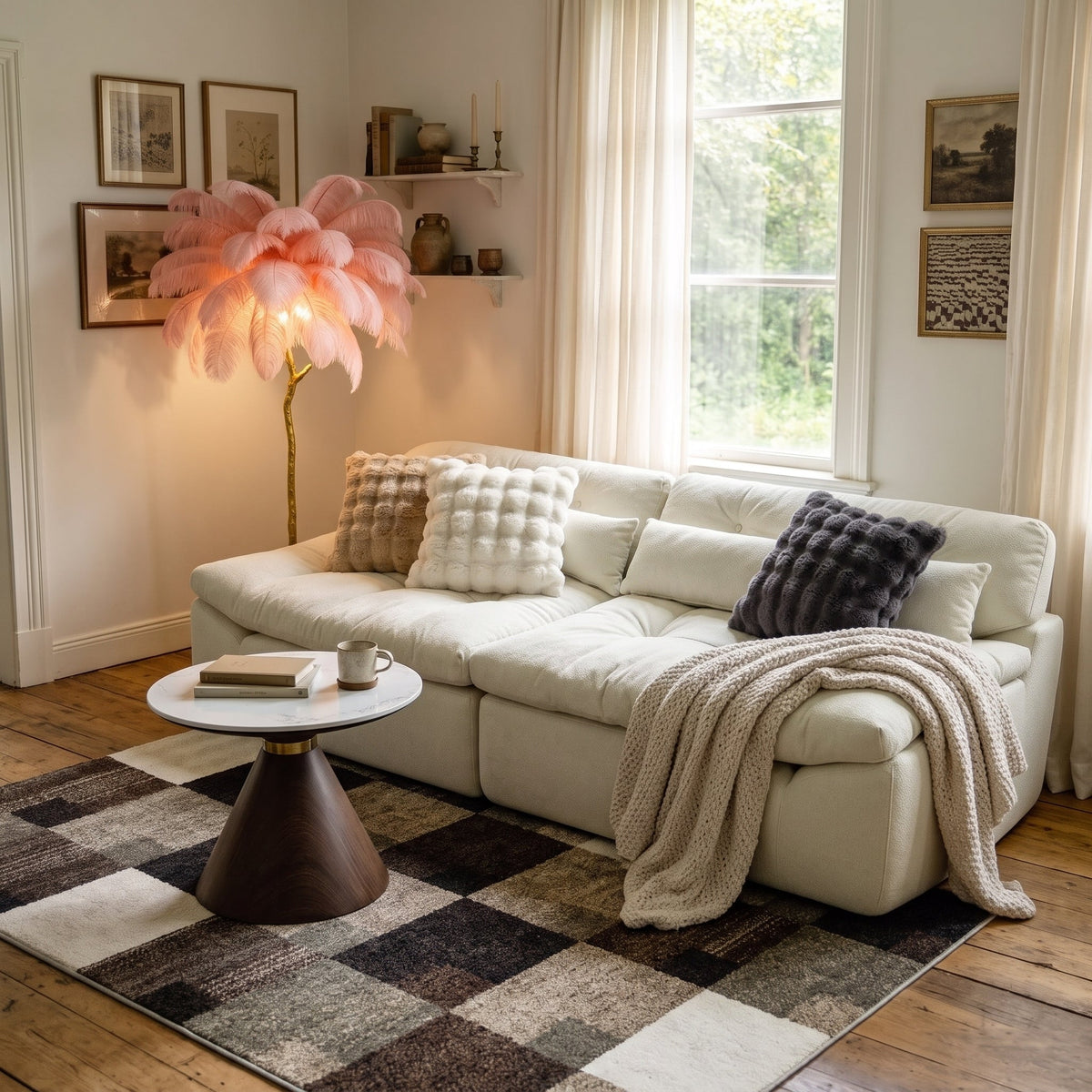
In the daily hustle, genuine downtime doesn’t require a weekend trip. Most of the time, all you need is a three-foot corner at home. A cozy reading nook is an emotional buffer—the second you sit down and open a book, the noise of the day drops away.
Yet over my years designing furniture and running our showroom floor, I’ve lost count of how many reading corners fail in real life. It’s rarely because the individual pieces look bad; it’s because their dimensions fight each other. You sink so low you can’t get up without groaning, the side table is just out of arm’s reach, and the reading light throws a sharp shadow of your own hand right across the page.
Below are the five rules we live by in our design studio and on our retail floor—including the hard numbers, who should stay away from specific setups, and how to source pieces that don’t end up in customer returns.
Retailer & Buyer Note:
A reading nook is the highest-converting 5-piece add-on bundle on the floor: chair, lamp, side table, rug, and vertical shelving. Customers rarely plan to buy all five at once, but when staged as an interconnected setup, average ticket value easily doubles. Look for the merchandising takeaways at the end of each section.

Lounger Seat Height: Low-Slung vs. Ergonomic Clearance
The anchor of any reading nook is the seat. Compared to rigid occasional chairs, ultra-soft loungers (like caterpillar loungers, block seating, or bean bags) give you that instant, sink-in coziness.
-
Who I actively steer away: If you have seniors or anyone with knee/hip stiffness at home, do not buy ultra-low slouch seats. Many trendy caterpillar-style chairs sit at just 14–15 inches (35–38 cm). Sinking in feels like a cloud, but getting back up requires serious arm support. In our showroom, these account for the highest volume of returns—adult children buy them because they look stunning on Pinterest, but their parents sit down once and refuse to ever use them again. If the nook is shared across generations, keep seat height at 16.5 inches (42 cm) or higher, ideally with structured armrests.
-
The honest truth about upholstery: Bouclé looks fabulous in photoshoots, but if you have cats, skip it entirely. Looped fibers catch cat claws within days. In our pet-friendly homes and rental setups, we strictly run matte technical performance fabric—claws slide right off, and everyday spills wipe off with a damp microfiber cloth. For breathable natural fibers, linen-cotton blends work best in dry regions, but tend to absorb dampness in humid coastal areas.
-
Placement tip: Never push the lounger flat against the corner wall. Angle it roughly 45 degrees outward toward natural light or the open room. It frees up elbow room and stops the space from feeling cramped.
Retailer & Buyer Note:
Stock seating in two distinct height tiers: 14–15" (35–38 cm) loungers for younger, single-demographic buyers, and 16.5"+ (42 cm+) high-back armchairs for family households (elderly comfort is an invisible, high-urgency demand). Put bouclé on floor displays to drive foot traffic and social snaps, but keep your inventory weighted in scratch-resistant tech fabrics for clean margins and zero returns. Display the two heights side-by-side so customers immediately feel the sit-to-stand difference.
Reading Light: Kelvin Temperatures & Shadow Angles
Lighting dictates the room’s emotional tone. A reading corner should never rely on glaring ceiling downlights; it requires directional, comforting task light that creates a focused, private sanctuary.
- What does 2700K actually feel like? It’s that warm, amber-tinted incandescent glow. Printed paper reflects a gentle off-white that doesn’t sting your retinas. 3000K is slightly crisper—great if your eyes struggle in low light. Never go above 4000K. That is commercial office lighting; read under it for 30 minutes at night and your eyes will feel dry and strained. Our customer feedback has proven this time and again.
- The common angle blunder: People almost always put the floor lamp square beside the chair (90 degrees). When light hits horizontally from the side, your own hand casts a harsh shadow across the center fold of the book. The sweet spot: position the lamp base 45 degrees behind your seated shoulder, with the lower rim of the shade hovering just above eye level. The light washes softly forward over your shoulder, illuminating both pages evenly. Set that angle once, and you’ll never have to touch it again.
- Switch mechanics: Cantilever arched floor lamps or pleated fabric shades offer great light diffusion. When choosing hardware, choose rotary dial dimmers over touch-capacitive sensors. Touch sensors fail at nearly four times the rate of mechanical dials over multi-year daily use.
Retailer & Buyer Note:
Floor lamps are the single easiest cross-sell on the floor—when someone commits to a chair, adding a dedicated reading light feels like a natural step. Make sure your spec cards clearly highlight the 2700K–3000K reading zone, and avoid cheap touch-switches to protect your warranty record. On the sales floor, keep your vignette lighting dimmed so clients can immediately see the warm light pool on an open book.

The Side Table: Why a 2-to-4 Inch Height Gap Matters
When you’re deep into a good book, your coffee mug, reading glasses, or journal needs a stable landing spot. A compact accent table gives the nook practical utility without taking over the room.
- How high is “slightly above the seat cushion”? Exactly 2 to 4 inches (5–10 cm) above the compressed seat. If your lounger sits at 16 inches, your table top should measure 18 to 20 inches (45–50 cm). At this height, reaching for your cup only requires your elbow to drop naturally—no shoulder hiking, no reaching down into a void. If the table is lower than the seat or more than 6 inches higher, you have to twist and lean forward every time you take a sip. After a week, you’ll stop using it.
- Don’t ignore diameter: Keep tabletop diameter under 16 inches (40 cm). Reading nooks are tucked into tight spots; bulky end tables choke walking paths. We’ve seen too many delivery installations where oversized tables blocked chair clearance, forcing clients to squeeze in sideways until they eventually banished the table to hold plants elsewhere.
- Form factors: Stick to clean pedestal round tables, nested two-tier tables, or slim metal end tables with an open lower magazine ledge.
Retailer & Buyer Note:
The side table is the “glue” in your vignette—accessible ticket price, impulsive decision cycle, and the ideal bundle partner for chairs. Source models with sub-16" diameters and 18–20" heights to fit 90% of tight apartment floor plans. Never display accent tables in a standalone row; keep them wedged right against your chair vignettes with a ceramic mug on top so shoppers visualize the moment.
Grounding with a Rug: Low-Pile vs. Shag & The Washable Standard
Cozy comfort isn’t just what touches your back; it’s what touches your bare feet. In most homes, reading nooks sit on chilly hardwood, vinyl plank, or tile. Pulling chairs back and forth scratches protective floor seals, and cold floors snap you straight out of a relaxed mood. An area rug bridges tactile warmth and floor preservation—but these two goals often clash. The thicker the pile, the harder it is to clean.
- The truth about pile height: I strongly advise against thick shag rugs in small nooks. Shag feels plush initially, but sliding chair legs crush the pile into permanently matted paths. Worse, shag traps crumbs, pet dander, and loose hair deep down where regular vacuums cannot pull them out. The #1 complaint we hear about shag is: “It looks dirty, but we can’t get it clean.” A low-pile weave keeps dust and pet hair right on the surface. One quick vacuum pass clears it, and furniture legs slide smoothly across it without catching.
- The cleanability standard: Families with dogs, cats, or young kids always ask the same question first: “Can I wash it?” This is why we developed and regularly stage our Washable Rug-104 in our Rialto showroom. It uses an ultra-durable, low-pile synthetic fiber face bonded to an integrated TPE non-slip rubber backing. The low-pile profile won’t trap fur, daily debris vacuums right up, and when someone inevitably spills black coffee, whole milk, or a pet has an accident, the stain-resistant surface repels the liquid long enough to blot it away. If it needs a deep reset, the entire rug goes straight into a standard home washing machine.
- Footprint and backing safety: In a dedicated corner, a 3×5 ft rug is the industry standard. It covers the exact combined footprint of an accent chair and a 16" side table without spilling into room pathways. Furthermore, integrated TPE backing eliminates the need for messy separate rug pads. The rug stays anchored when you stand up or push the chair back—saving your drink from tumbling off the side table.
- Color choices: Crisp white or light ivory rugs photograph beautifully for catalogs, but reading corners near south-facing windows get intense UV exposure that shows wear fast. Neutral mid-tones—like warm oatmeal, stone greige, or soft sage—maintain their appearance far longer and hide everyday scuffs.
Retailer & Buyer Note:
Washable rugs are among the fastest-growing categories in home furnishings because they solve real-world household anxiety. When purchasing, inspect three specs: low-pile profile, stain barrier, and true TPE backing (which outlasts degrading latex foam in heat and washes). In our own merchandising, the 3×5 ft footprint acts as the volume bundle piece with chairs, while 5×7 ft sizes serve as higher-ticket living room extensions.
Vertical Storage: Choosing a Bookshelf That Doesn’t Crowd the Corner
A reading nook without books within arm's reach quickly turns into just another chair you bypass. But putting an oversized, deep library bookcase into an alcove is the fastest way to make a 3-foot space feel like a cramped closet.
Depth is the make-or-break metric: Never put a standard 14–16" deep bookcase into a reading alcove. It eats up elbow clearance and casts oppressive shadows over the seat. In a three-foot footprint, stick to ultra-shallow profiles between 10 and 12 inches deep. That gives you enough depth for paperbacks and hardcovers while leaving room for shoulders and knees to move freely.
Silhouettes that keep air moving: Bulky, solid-back boxed shelves make small corners feel claustrophobic. Opt for an open-frame ladder shelf, a slim spine bookcase (tower shelf), or wall-mounted floating ledges. A spine tower takes up just one square foot of floor space yet stacks 20–30 books vertically, drawing the eye upward and making low ceilings feel taller.
The seated reach test: Mount or place the most frequently read books between 28 and 48 inches from the floor. You should be able to reach your next read while seated without leaning forward out of your chair. Keep heavier coffee-table volumes on the lower base for physical stability.
Retailer & Buyer Note:
Bookcases are natural companion pieces that transform a generic accent corner into an authentic "home library" vignette. Sourcing shallow units (10–12" deep) or vertical spine towers solves the #1 objection from small-apartment shoppers: "I don't have space for a bookcase." On the floor, style shelves with open negative space—interspersing small ceramic vessels or trailing pothos plants between book stacks—so the display looks like an aspirational sanctuary rather than packed inventory.

The One Golden Rule: Never Buy the Pieces Out of Order
The single biggest reason reading nooks fail is inverted purchasing. People fall in love with a lamp or buy a rug on sale, and then try to reverse-engineer a seating setup around them.
Always purchase and spec in this exact ergonomic sequence:
- Lock in the chair’s seat height and depth first (the foundation).
- Match the side table height to the seat cushion (+2–4 inches).
- Calibrate the floor lamp’s position and shade height to your seated eye level.
- Anchor the footprint with a 3×5 ft low-pile washable rug, and complete the zone with a shallow, accessible bookshelf.
Follow that order, and even an awkward three-foot alcove turns into a calm, functional space you’ll look forward to using every single day.
Retailer & Buyer Note:
This purchasing sequence is your sales team’s best floor walk. Start clients at the chair (the high-consideration decision), pivot immediately to the matching side table, demonstrate the warm light angle from behind, and close the sale by pulling in a washable rug and vertical bookshelf. Merchandising along the customer's actual posture journey converts dramatically better than leaving products isolated in separate aisles.


Leave a comment
This site is protected by hCaptcha and the hCaptcha Privacy Policy and Terms of Service apply.